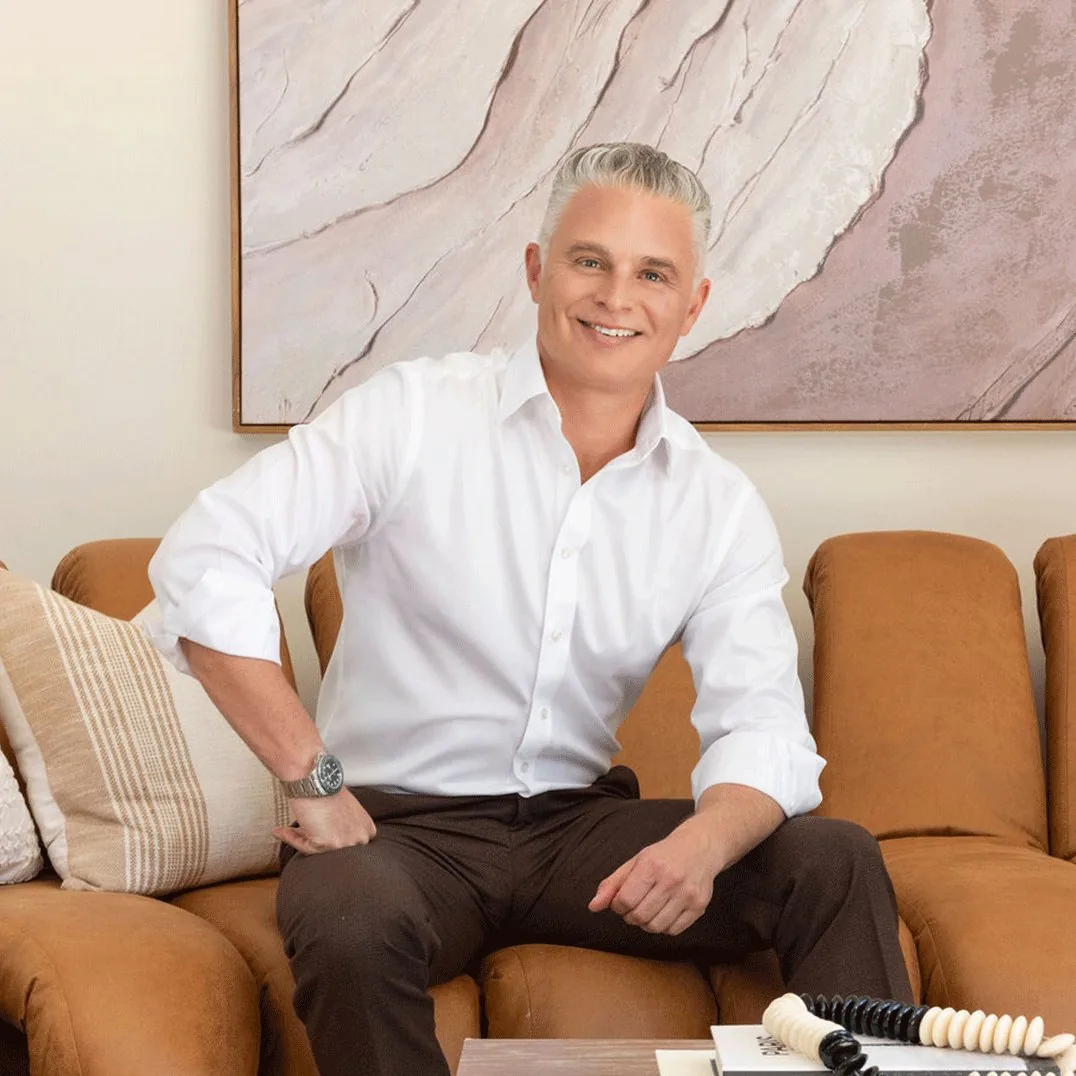
My approach to risk started at a drafting table, not in real estate.
As an architect, I learned to commit to each line. Every one of them would shape a wall, a budget, or a structural decision that would last decades. That training changed the way I see risk in everything I do now. I stopped thinking of risk as something to avoid and started thinking of it as something to manage — and design.
You build risk tolerance through preparation, perspective, and experience — not bravado.
Risk as a design problem.
When I started investing in multifamily properties in Los Angeles over a decade ago, I brought that same mindset with me. Each property — whether a fourplex or a value-add opportunity — became a design problem. I'd assess the asset's capacity, identify the stress points, and figure out the worst-case scenario I could actually live with. I learned to size risk the way I'd size a beam: always with margin.
The lessons that stuck weren't the deals that went to plan. They were the ones that required me to adapt.
The risk lens: margin, always
The 15-year detour through marketing.
I didn't go straight from architecture into real estate. In between, I spent 15 years leading a digital marketing agency. That stretch taught me how to trust ideas, trust people, and trust my own judgment — often before I had complete data in front of me. Architecture had taught me to draw the line. Marketing taught me when to commit before the picture was finished.
By the time I co-founded AMRE Real Estate Group, taking calculated risks for clients didn't feel like a leap. It felt like the natural next step. Recommending creative offer structures. Telling clients to walk away from a seemingly perfect listing. Repositioning a tired four-unit building so it could compete at the top of its market. None of those moves are reckless. They're designed.
That's the first thing I tell newer agents and investors when they ask. You build risk tolerance through research, honesty about your losses, and the patience to let small decisions compound into a track record. Bravado is what makes the headlines. Compounding is what makes the careers.
Three things I'd tell anyone starting out.
If you're entering this business — as an agent, an investor, or a buyer learning to think like one — these are the three I'd push hardest.
See buildings like an architect
Structure, light, flow, zoning, expansion — and the risks cosmetic upgrades cover up. Learn permits, soils, and design; the details earn trust.
Get comfortable with the numbers
Cap rate, IRR, debt coverage, rent roll, basis, exit. Build your own underwriting model — the act of building it teaches you what matters.
Build relationships with patience
Help before any commission is on the table. Reputation, like real estate, compounds — and rewards you in ways you didn't see coming.
What an architect's eye catches
- Structure and load paths a cosmetic remodel can hide.
- Light, flow, and how the plan actually lives day to day.
- Zoning, setbacks, and true expansion or ADU potential.
- Soils, permits, and the diligence gaps that become costs.
- The worst-case scenario — sized with margin before you commit.
The clients I do my best work with.
My ideal client treats real estate as a sustained commitment, not a single transaction. They're analytical. They ask hard questions. They want to understand the rationale behind a recommendation before they sign anything. They invest the time to make the right decision instead of rushing into a costly one.
In practice that shows up across a few profiles. The buyer of a Westside home who wants real expertise in architecture, renovation potential, and resale strategy — not just access. The seller of a legacy estate who wants discreet, strategic positioning. The investor — new or experienced — building a multifamily portfolio in LA who wants a partner who can rigorously analyze deals with authentic architectural and operational insight.
Above all, the clients I do my best work with value partnership — the best results come from a long-term relationship across multiple homes, investments, and the messy realities of the Los Angeles market.
If that's how you think, we'll work well together.
Where we're heading at AMRE.
What excites me most isn't any single deal. It's helping clients make smarter, longer-term decisions. A first-time buyer who refinances into a duplex three years in. An investor who turns a quiet four-unit into a top-market asset. A seller who hits an "impossible" price because the strategy was right.
We're expanding our value-add investment consulting — sharper portfolio modeling, better data visualization so clients can see the trade-offs clearly. If you want a quick sense of how a deal might pencil, read how we run the numbers on a value-add deal. We're also launching short, honest videos about how luxury real estate, architecture, and investing actually connect in Los Angeles. We chose clarity over hype as a brand stance — and so far, it's brought us the people we most want to work with.
Real estate is more than a transaction. It's a financial decision, a lifestyle decision, and a long-range planning decision all at once. I respect all three. That's the line I commit to.
This piece is adapted from my interview with Bold Journey Magazine, expanded for The AMRE Journal.
Thinking about a move?
Whether you're buying, selling, or sizing up an investment, get guidance from someone who reads a property like a design problem.
Start a conversation →