The Future of Real Estate: Innovation, Automation, and the Human Touch
The real estate industry is entering a new era—one shaped by economic shifts, technological innovation, and evolving consumer expectations. Properties are no longer just bought and sold—they are experienced, financed, and marketed in increasingly dynamic ways. The professionals who succeed won’t simply adapt; they’ll lead with vision.
Economic Trends: Balancing Stability and Risk
Today’s market reflects both resilience and uncertainty. Inflationary pressures persist, yet strong GDP growth and steady consumer demand signal economic strength. Investors are caught between optimism and caution, making long-term planning essential.
Interest rates remain elevated compared to historical lows. While a sharp decline isn’t expected soon, innovative lending strategies and creative financing are helping buyers and sellers move forward. The focus has shifted from timing the bottom to navigating steady uncertainty.
Market Behavior: A Return to Balance
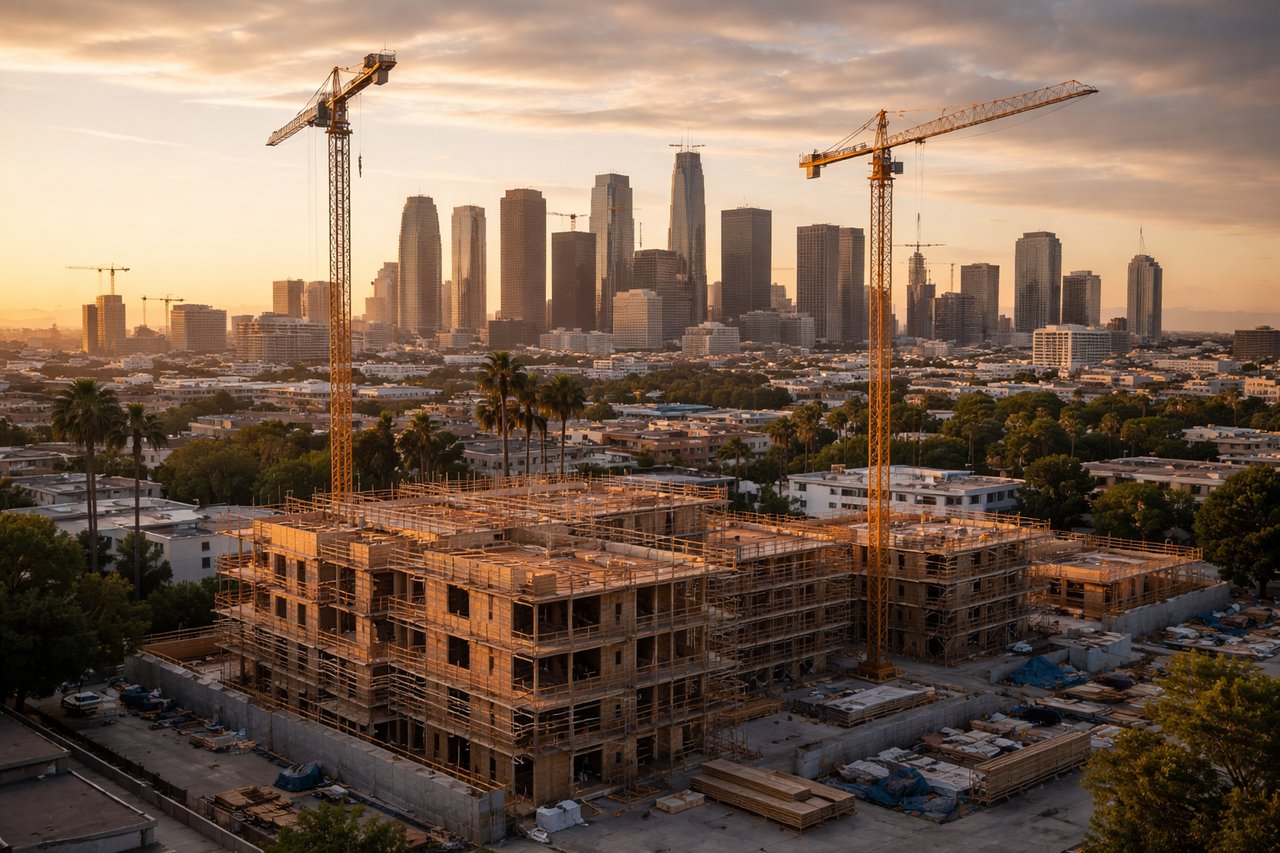
After years of pandemic-driven disruption, the market is recalibrating. Housing inventory is still constrained by underbuilding, demographic shifts, and mortgage “lock-in” effects. Yet buyer demand is stabilizing, creating more balanced dynamics—longer days on market, fewer bidding wars, and more negotiation power for buyers.
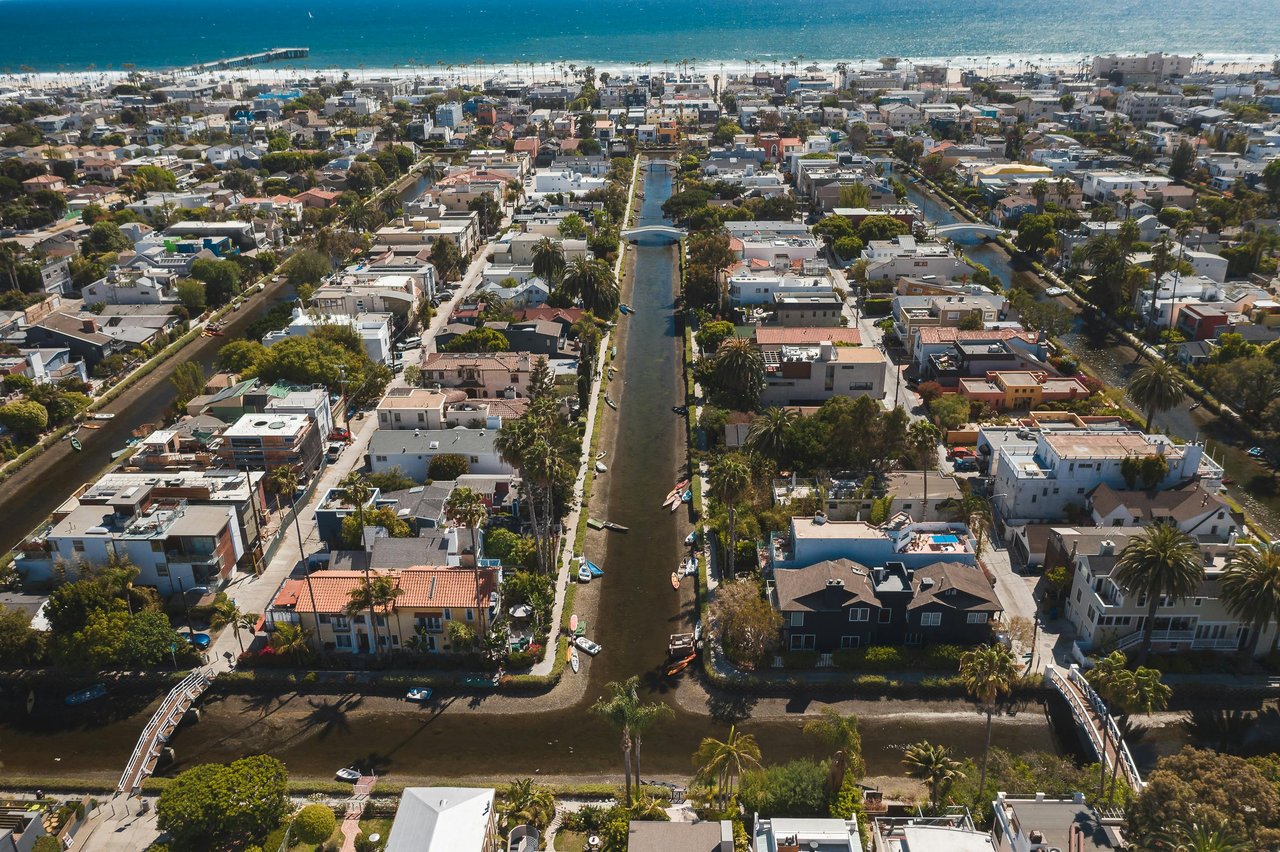
Importantly, regional differences are resurfacing. Local factors like employment, climate, affordability, and infrastructure are once again shaping markets. This return to differentiation signals opportunity and health.
Luxury Real Estate: Strategy and Sophistication
The luxury and ultra-luxury segments remain resilient, driven by global wealth, tax policy, and migration trends. High-net-worth buyers, less sensitive to interest rates, are becoming more selective. Success in this space requires expert market knowledge, personalized service, and innovative technology.
Regulation and Transparency: A New Era
Commission changes and evolving disclosure rules are reshaping client-agent relationships. Increased transparency brings clarity but also adds complexity. Real estate professionals must balance compliance with client advocacy, streamlining experiences while protecting interests.
Policy Impacts: Real Estate on the Political Stage
From zoning reform to tax incentives, public policy is a key driver of affordability, housing supply, and transaction volume. While not all proposals are implemented, they set direction. Professionals who engage in these conversations position themselves—and their clients—for success.
Technology and Automation: From Tools to Transformation
AI, automation, and digital infrastructure are no longer optional—they’re foundational to modern real estate. The leaders of tomorrow will integrate tech not just to cut costs, but to enhance human value.
When automation removes friction—marketing, follow-up, communication, transaction management—professionals can focus on building trust and delivering service. Technology will make real estate more personalized, more efficient, and ultimately more human.
Social Impact: Real Estate as Community Building
Beyond transactions, real estate is about community. Professionals are increasingly advocating for affordable housing, sustainability, and local engagement. Clients are drawn to agents who align with their values, leading with integrity, generosity, and long-term vision.
The Path Forward
The future of real estate won’t be defined by those chasing trends, but by those anticipating needs and creating experiences. Success will come from adaptability, empathy, and innovation—anchored in human connection.
Real estate is no longer just about location. It’s about experience, trust, and innovation with a human core.
- AMRE Real Estate Group
- Michael Abraham | [email protected] | DRE# 02242095
- Ania De Pourbaix | [email protected] | DRE# 01891438
- Compass Beverly Hills | DRE# 01991628
- [email protected]
- www.AMRE.Group
(323) 719-8585