Measure ULA Explained: How Los Angeles’ Mansion Tax Is Backfiring
When Measure ULA passed in 2022, it was framed as a bold solution to Los Angeles’ housing crisis.
The promise was simple: tax high-end property sales and use the revenue to fund affordable housing and homelessness prevention.
It sounded straightforward. Tax luxury real estate. Help the unhoused.
Nearly two years later, the economic consequences are telling a very different story.
What Is Measure ULA?
Measure ULA is a transfer tax applied to property sales above $5 million in Los Angeles.
The tax rate ranges from 4% to 5.5% depending on the sale price.
Despite being marketed as a “mansion tax,” it applies to:
-
Apartment buildings
-
Commercial properties
-
Development sites
-
Mixed-use buildings
-
Multifamily housing
This distinction is critical. The policy does not just impact luxury homeowners. It affects the entire real estate development ecosystem in Los Angeles.
The Data: Housing Production Is Falling
Independent research from UCLA’s Lewis Center and RAND found:
-
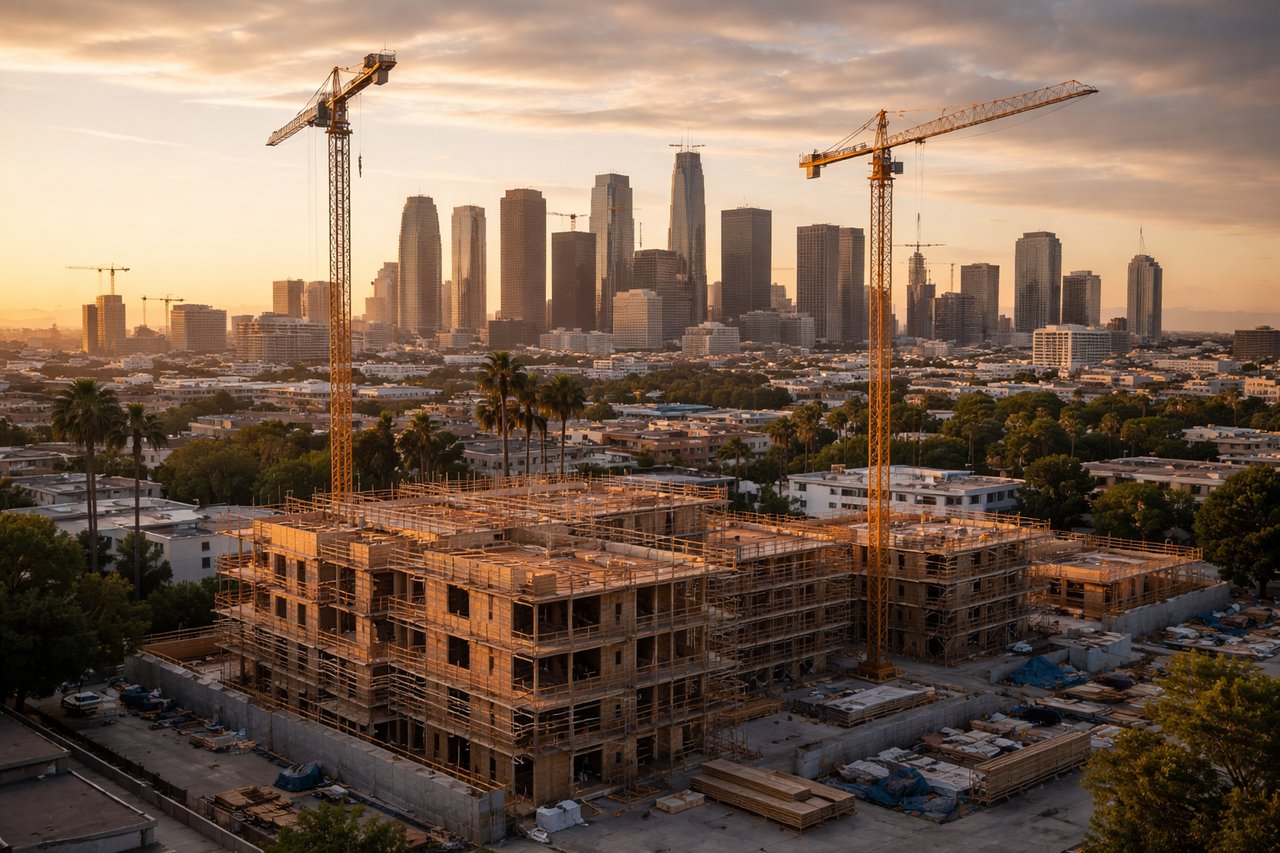
Approximately 1,900 housing units per year have gone unbuilt since ULA was enacted
-
Apartment construction in Los Angeles has declined roughly 30% compared to prior years
-
Commercial real estate sales have dropped between 30% and 50%, depending on sector
When transaction volume falls, development slows.
When development slows, supply shrinks.
When supply shrinks in a city already facing a housing shortage, affordability worsens.
The Perfect Storm Facing Developers
Measure ULA did not arrive in isolation. It landed in an already difficult environment:
Rent Control
Los Angeles rent stabilization policies cap long-term rent growth, limiting upside for investors modeling new projects.
Rising Construction Costs
Inflation, labor shortages, and materials costs have dramatically increased the price to build new housing.
Higher Interest Rates
Capital is more expensive. Financing is harder to secure. Margins are thinner.
Transfer Taxes on Exit
ULA adds a 4–5.5% cost at the point of sale, reducing projected returns.
When developers evaluate risk versus return, many are choosing to build elsewhere.
Capital is mobile. Housing is not.
The Unintended Consequence: Higher Rents
Here is the economic feedback loop forming:
-
ULA discourages investment in multifamily housing
-
Fewer new units are built
-
Vacancy rates remain low
-
Competition for rentals intensifies
-
Rents increase
Ironically, a policy intended to improve affordability may be contributing to rent pressure.
Additionally, fewer new developments means fewer inclusionary housing units—affordable units that are typically required in larger projects.
That means some deed-restricted affordable housing may never come online.
Revenue Shortfalls
Measure ULA also depends on transaction volume to fund its programs.
When high-value sales decline, tax revenue declines.
Lower deal volume reduces funding for the very initiatives the measure was designed to support.
The policy relies on activity. The policy is discouraging activity.
Reforming Measure ULA: A Smarter Path Forward
This conversation is not about opposing social programs or housing support.
Los Angeles needs affordable housing solutions.
But incentives matter.
Some proposed reforms include:
-
Exempting certain multifamily or affordable housing projects
-
Graduating the tax structure over thresholds
-
Capping the tax based on net gain rather than gross sale price
-
Offering credits for developments that meet affordability targets
The goal should be clear:
Encourage more housing at every level of the market.
Increase supply.
Protect affordability.
Maintain investor participation.
Without reform, Los Angeles risks pushing development into surrounding cities and reducing the housing production needed to stabilize rents.
The Bottom Line
Housing policy must work in practice, not just in theory.
Measure ULA was built on strong intentions. But the market response suggests serious unintended consequences.
If Los Angeles wants to address affordability, homelessness, and housing supply, the solution must align economic incentives with policy goals.
Otherwise, the city risks deepening the very crisis it set out to solve.
- AMRE Real Estate Group
- Michael Abraham | [email protected] | DRE# 02242095
- Ania De Pourbaix | [email protected] | DRE# 01891438
- Compass Beverly Hills | DRE# 01991628
- [email protected]
- www.AMRE.Group
(323) 719-8585