Multigenerational Living Is Reshaping the Future of Housing
Multigenerational living is no longer a temporary solution. It is becoming one of the most influential trends shaping the future of the U.S. housing market.
Over the past 50 years, households with multiple adult generations living together have grown dramatically. In 1971, about 7% of Americans lived in multigenerational homes. By 2021, that number had risen to roughly 18%, and some estimates suggest more than one in four adults now live in these arrangements.
This shift is changing how families think about housing and how homes are designed, purchased, and valued.
Why Multigenerational Living Is Growing
Several powerful forces are driving this trend across the country.
Housing Affordability Pressures
Rising home prices and rental costs have made it increasingly difficult for individuals to manage housing expenses alone. By pooling resources, families can reduce financial pressure while building stability.
Sharing a home allows multiple earners to contribute toward mortgage payments, utilities, and daily living costs.
Childcare and Eldercare Support
Many families are choosing multigenerational living to provide support across generations.
Older millennials are increasingly purchasing homes that accommodate both their children and aging parents. This structure provides built in childcare support while allowing families to care for elderly relatives more easily.
Long Term Stability
For many households, multigenerational living began during the pandemic but has continued long after.
Studies show that nearly 60 percent of families who moved into multigenerational homes during that time have remained in those arrangements, and more than 70 percent plan to continue long term.
What started as a temporary adjustment has evolved into a deliberate lifestyle choice.
What This Means for the Real Estate Market
As multigenerational households become more common, homebuyer priorities are shifting significantly.
Flexibility Is Now More Important Than Size
Buyers are no longer focused only on square footage or bedroom counts. Instead, they are looking for homes that offer adaptable spaces.
Highly desirable features now include:
Private Living Suites
Separate bedrooms or wings that provide independence within the home.
Ground Floor Living
Spaces that allow older adults to live comfortably without stairs.
Junior ADUs and In Law Units
Smaller living areas with kitchens or private entrances that function as semi independent residences.
Homes that offer flexibility tend to attract a broader range of buyers and remain relevant as families evolve.
ADUs Are Transforming Housing Options
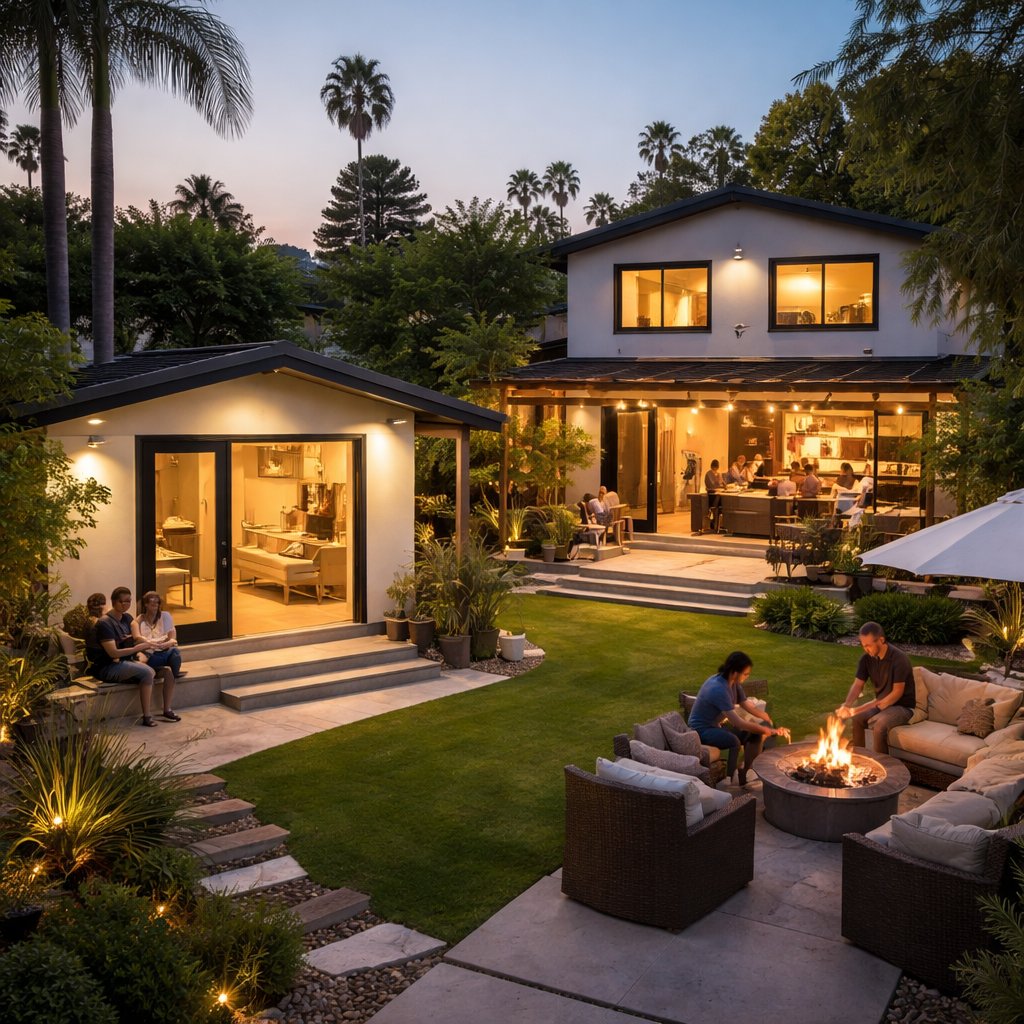
Accessory dwelling units, commonly known as ADUs, have become one of the fastest growing housing solutions, especially in California.
These small secondary units provide multiple benefits.
Support for Multigenerational Families
ADUs allow relatives to live nearby while maintaining independence.
Rental Income Opportunities
When the space is not used by family members, it can generate rental income.
Increased Property Value
Adding an ADU often improves both the functionality and the market value of a property.
In Los Angeles, many ADUs currently rent for approximately $1,700 to $3,000 per month, creating meaningful passive income potential for homeowners.
Duplex Opportunities and Flexible Zoning
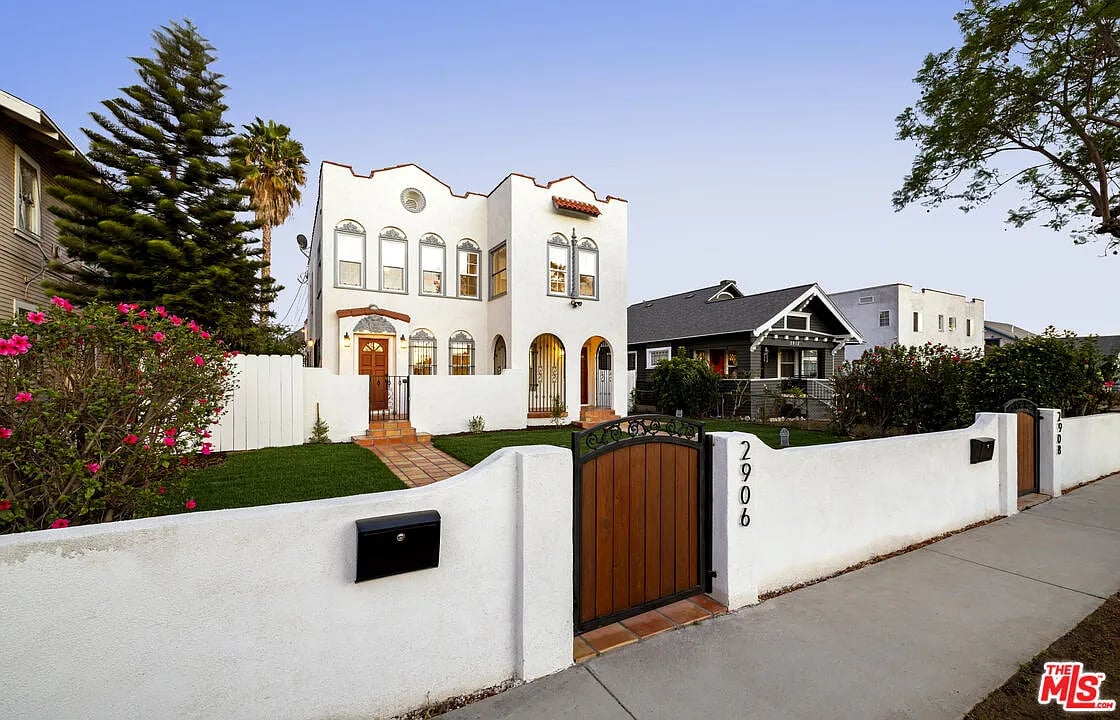
Legislation such as California Senate Bill 9 has made it easier for homeowners to split lots or convert single family properties into duplex style housing.
This creates significant flexibility for homeowners and investors.
A single property can now offer multiple uses, including:
Living in one unit while renting the other
Housing extended family with privacy and independence
Creating dual income streams from the same property
These zoning changes allow families to design housing solutions that balance lifestyle needs with financial opportunities.
The Next Decade of Housing
Multigenerational living is not simply a response to economic pressure. It reflects a deeper shift in how families define home.
Today’s households are prioritizing:
Lower housing costs
Greater financial stability
Family support across generations
Built in caregiving solutions
Additional income opportunities
For investors and homeowners alike, properties that support multiple uses and multiple generations are likely to remain highly desirable.
In markets like Los Angeles, where affordability challenges are significant, homes with ADUs, duplex potential, and flexible layouts offer both lifestyle advantages and strong long term investment value.
The future of housing is versatile, adaptable, and designed to support how families truly live today.
- AMRE Real Estate Group
- Michael Abraham | [email protected] | DRE# 02242095
- Ania De Pourbaix | [email protected] | DRE# 01891438
- Compass Beverly Hills | DRE# 01991628
- [email protected]
- www.AMRE.Group
(323) 719-8585